
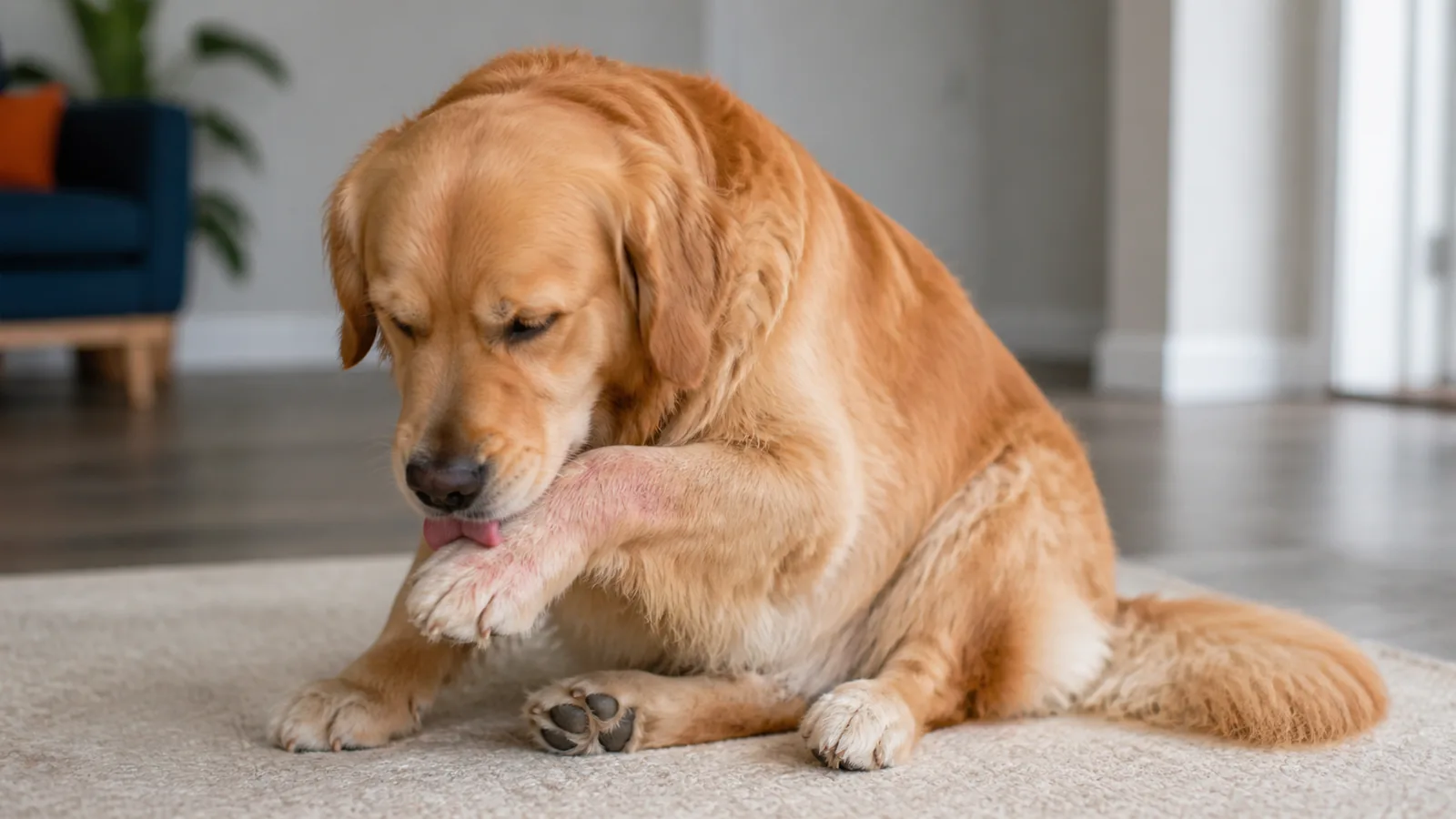
How fast your pet needs to be seen for an allergic reaction depends on which signs you are looking at. Steady scratching and paws licked raw point to chronic allergies, and those earn a scheduled exam rather than a rush across town. Hot spots, head shaking, odor, or discharge means an ear or skin is already infected, and that should be looked at within a day or two, because it gets worse, not better, while you wait. Hives, a puffy face, or swelling around the eyes and muzzle need same-day care, because a reaction like that can keep building over the next hour. Vomiting with sudden weakness, pale gums, labored breathing, or collapse is anaphylaxis, the severe form that can turn life-threatening within minutes.
Flora Family Vet is an AAHA-accredited practice in Kissimmee that holds appointment slots for urgent care, so a reaction that starts at ten in the morning can be seen the same day. For itching and ear trouble that keeps coming back, a wellness and preventive care visit is where we work through likely triggers and note any past vaccine or medication reactions so we can plan around them. If your pet is swelling or breaking out in hives, call ahead and tell us what you are seeing so we can start treatment the moment you arrive. Labored breathing, pale gums, or collapse cannot wait, so come straight to us, or to the nearest 24/7 ER if we have already closed.
Allergic Reactions: The Essentials
- Steady scratching, chewed paws, and ear infections that keep returning are chronic allergies, and they need a scheduled workup rather than an emergency run.
- Hives and a swelling face need same-day care, because a reaction that's still building can keep escalating for an hour or more.
- Vomiting with weakness, pale gums, labored breathing, or collapse is anaphylaxis, the version that can turn life-threatening in minutes.
- Allergies get controlled rather than cured, and a plan aimed at the cause keeps most pets far more comfortable than chasing one infection at a time.
How Fast Does Each Kind of Reaction Need to Be Seen?
Check two things first: how your pet is breathing, and what color their gums are. Gum color is the fastest circulation check you have, and pale or bluish gums on the way to the clinic mean the reaction has moved beyond the skin. Then note the time the signs started and anything new they ate, chewed, or ran into outside. Call us as you head out the door, and leave the medicine cabinet closed until you've talked to us.
| What you're seeing | What it usually is | How fast to move |
| Scratching, licked paws, rusty saliva staining, ears that flare again and again | Chronic allergic skin disease | A scheduled exam |
| Head shaking, odor, dark discharge, a painful ear | An ear infection already underway | Within a day or two |
| Raised welts, puffy muzzle, swollen eyelids, a hot swollen sting site | An acute reaction that may still be building | Same day |
| Vomiting with weakness, pale or blue gums, labored or open-mouth breathing, collapse | Anaphylaxis | Immediately |
The middle rows are what same-day urgent care exists for, and the bottom row skips the appointment question entirely: come straight in.
Bring the suspected trigger if you can do it safely: the new chew, the packaging, or a photo of the plant. Don't induce vomiting unless we've told you to, and never give a human combination cold or allergy tablet, because the decongestants and pain relievers blended in can be toxic to dogs and cats.
What Does an Allergy Emergency Look Like?
Anaphylaxis in dogs starts with sudden vomiting, diarrhea, facial swelling, weakness, and collapse minutes after a sting, a vaccine, or a new medication. Their gut takes the first hit rather than the airway. That picture gets mistaken for a bad stomach bug, and the mistake costs time. Cats route the same reaction to their lungs, so the feline version is open-mouth breathing, crouching with elbows held out, and a fast, hard breathing pattern. A cat breathing through their mouth who hasn't just been running is an emergency until proven otherwise. Anaphylactic reactions are uncommon, but when they happen, move fast. Minutes matter.
When Does a Reaction Need Same-Day Care?
Any reaction involving breathing, facial swelling, or itching so bad your pet is traumatizing their own skin earns a same-day visit. These reactions can steadily worsen, so waiting just makes their situation worse. In some cases, hives can progress to an anaphylactic reaction, so keep a close eye on them. That's the urgent care tier: uncomfortable, still building, worth treating before nightfall. The dividing line is circulation: once vomiting, weakness, pale gums, or breathing trouble join in, it's no longer a same-day question. It’s an emergency.
What hives, stings, and breathing changes look like
Hives usually stay on the surface: welts, a puffy muzzle, swollen eyelids, and a pet who's itchy but bright and breathing normally. Most bee and wasp stings stay local: a swollen paw or lumpy nose on a dog who's otherwise bright and eating. Stings inside the mouth, a face full of them from a disturbed nest, or swelling that arrives alongside vomiting or wobbliness belong in a different category. Cats with feline asthma or allergic bronchitis need faster action, since a single exposure can take them from an occasional cough to real work to breathe. If welts keep spreading or breathing shifts at all, call us right away instead of waiting to see how the night goes.
Which Allergy Signs Need Care, but Not Tonight?
Steady scratching, chewed paws, and recurring ear flares are the chronic tier: real disease that needs a workup, not an ambulance. Chronic allergies are inflammation that flares, settles, and flares again, and inflamed skin loses its grip on its normal bacteria and yeast, so most itchy pets carry a secondary infection by the time anyone books an appointment.
Not every itchy pet is allergic, either. Sarcoptic mange, ringworm, and a heavy flea burden look nearly identical from across the room, and the first two spread to people too. An itch that came on suddenly, or one that's spreading to the humans, needs a skin scrape and a microscope before anyone treats it as an allergy.
How allergic skin shows up in dogs
Dogs are loud about it: licking, chewing, scooting, and a nightly scratching rhythm that keeps the whole house awake.
- The belly, armpits, and undersides of the feet turn pink and then rust-colored from constant licking.
- Inflammation packed between the toes, called pododermatitis, leaves the feet swollen and tender enough to change how a dog walks.
- A dog can turn one itchy spot into a raw, weeping sore in a few hours of licking, and hot spots that start that way are almost always infected by the time anyone notices.
- Ears are part of the same disease: otitis externa, an inflamed outer ear canal, is one of the most common allergic complications.
How allergic skin shows up in cats
Cats do most of their grooming out of sight, so overgrooming in cats is usually discovered as smooth, symmetrical bald patches on the belly, inner thighs, or forelegs rather than as visible scratching. Miliary dermatitis is the other common look: small crusty bumps along the back and neck that feel like grit under your hand. Some cats develop eosinophilic granuloma complex as well, firm raised lesions on the lips, belly, or backs of the thighs that get mistaken for a wound.
What's Setting Off Your Pet's Allergies?
Most reactions trace back to one of three groups: environmental allergens, food proteins, or insect bites and stings. Plenty of pets react to more than one, and the signs look nearly identical whichever group is driving them.
- Environmental: Pollen, grass, mold spores, and dust mites are behind most cases of atopic dermatitis, which shows up as itchy skin, chewed paws, and repeat ear infections rather than the sneezing and watery eyes people get. Central Florida barely offers an off-season, so that load runs most of the year.
- Food: A true food allergy is a reaction to a specific protein, usually one your pet has eaten happily for years. The tell is timing, since the itch runs straight through the calendar with no seasonal break, often with soft stool and inflamed ears riding along.
- Insects and parasites: Flea allergic pets only take a single bite to set off severe itching, usually on the lower back and around the tail. Bites and stings from wasps, bees, or fire ants produce faster, more dramatic swelling, and they're the group most likely to escalate on you.
Can a Vaccine or a New Medication Cause a Reaction?
They can, though it stays uncommon. Mild soreness at the injection site, a low-grade fever, and an unusually quiet evening are normal, while facial swelling, welts, vomiting, or labored breathing in the hours afterward are the vaccination reactions that warrant a phone call instead of a wait-and-see.
Medications do the same thing, and a response to an antibiotic, a preventive, or a new supplement usually turns up within hours of the first dose. Tell us about anything like that beforehand, because it changes how we handle vaccine planning and preventive care: spacing shots out, pre-treating, or keeping your pet with us a while afterward.
How Do We Treat an Allergic Reaction?
Treatment follows the tier. A severe reaction gets stabilized in minutes with injectable medication plus support for circulation and breathing. Chronic allergies take a layered plan: clear the infection that's there now, shut the itch down, then treat the allergy underneath so the infections stop coming back.
Stabilizing a severe reaction
Epinephrine goes in first, followed by an IV catheter, fluids, and oxygen for any patient in respiratory distress, with antihistamines and corticosteroids layered on. Some patients rebound once the first wave passes, a biphasic reaction, which is why we don't rush a discharge.
Treating chronic skin and ear disease
We start with stopping the itch and getting your pet comfortable again, then move to treating secondary infections, and then work to pin down the trigger. The first question with an itchy pet is what's growing on the skin or down in the ear canal, because bacteria and yeast need different drugs. Ear and skin cytology answer it, and our in-house diagnostics mean the sample never leaves the building. From there we build the plan around the diagnosis and a conversation with you; skipping the layer that treats the allergy itself is how a household ends up back every eight weeks with the same ear. For a raw sore or tender feet, laser therapy can bring swelling and discomfort down while medication does its work.
How Do You Keep an Allergic Pet Comfortable Long-Term?
Four layers do the work: year-round parasite prevention, topical therapy, the right medication for the flare, and daily habits that lower the allergen load. Done on a real schedule, they lower how much medication a pet needs and how often flares start.
Why is flea prevention non-negotiable?
A single bite can set off weeks of itching in a sensitized pet, which is why flea allergy dermatitis stacks on top of every other allergy your pet already has and undoes a well-controlled plan. Kissimmee doesn't hand out a flea off-season, and indoor cats aren't exempt, so year-round prevention is the floor for allergic skin.
How much can medicated shampoos and topicals do?
Topical therapy is the most underused tool in allergy care, and using it well often means less oral medication. A medicated shampoo is anti-itch, antimicrobial, and skin-repairing at once, but only if it stays put, so lather and set a timer for at least ten minutes before rinsing. Between baths, sprays, mousses, and wipes cover the trouble spots: facial folds, feet and between the toes, and ears. We'll pick the product with you rather than leave you reading labels in an aisle. Regular ear cleaning with a veterinary ear cleaner belongs on the same schedule, since ear infections are so closely tied with allergies.
Which medications treat allergies?
Most patients use more than one option below at different points, since allergy control shifts with the season.
| Option | What it does | Where it fits |
| JAK inhibitors (Apoquel, Zenrelia, Numelvi) | Interrupt the itch signal quickly | Flares and daily control in dogs |
| Cytopoint | An injected antibody aimed at one itch protein | Established atopic dermatitis in dogs, repeated every 4 to 8 weeks |
| Atopica (cyclosporine) | Modulates the immune response over several weeks | Longer-term control in dogs and cats |
| Corticosteroids | Broad, fast anti-inflammatory | Short courses for acute flares |
| Antihistamines | Mild effect that helps a subset of patients | An add-on rather than a whole plan |
For a pet with a confirmed history of severe anaphylaxis, an epinephrine auto-injector at home can be part of the plan, and we'll walk through exactly when to reach for it.
Which daily habits lower the allergen load?
Brushing is allergen removal, not just tidiness, and a quick wipe of the paws, face, and belly after outdoor time keeps pollen from absorbing through skin or getting licked off later. Simple allergy management habits like washing bedding weekly and running a HEPA filter where your pet sleeps take another slice off the total. Omega fatty acids support the skin barrier over months, so think of them as a long game rather than a rescue.
Can Pet Allergies Be Cured?
Allergies get managed rather than cured. Two paths change the trajectory instead of just muting symptoms: testing and immunotherapy for environmental triggers, and a strict diet trial for suspected food reactions. Both ask for months of follow-through, and both can pull symptoms and medication use way down.
Allergy testing and immunotherapy
Intradermal skin testing and serum testing identify the specific pollens, molds, and mites a pet reacts to, turning a vague diagnosis into a target. Immunotherapy is the only approach that treats the root cause of environmental allergies, given as customized sublingual drops or desensitization injections over 12 to 18 months, with up to 80% of pets showing a meaningful drop in symptoms. Hair and saliva kits sold straight to families have been tested and found unreliable, with identical samples submitted under different names coming back with different results.
Diet trials and prescription diets
The elimination diet trial is still the only reliable way to diagnose a food allergy: 8 to 12 weeks on a single novel or hydrolyzed protein diet with no treats, table food, or flavored chews, then a deliberate reintroduction at the end. A novel protein is one your pet has never eaten, while a hydrolyzed one is broken into pieces small enough that the immune system stops recognizing them. Over-the-counter limited-ingredient foods don't hold up for a diagnostic trial, because shared manufacturing lines leave trace proteins in bags that never list them, and blood testing for food allergy isn't accurate enough to replace the trial either. Our veterinarians set the diet, troubleshoot the household logistics, and plan the challenge that confirms the diagnosis.
Frequently Asked Questions About Allergic Reactions in Pets
Can I give my dog Benadryl for hives?
Plain diphenhydramine is sometimes part of a plan, but call before you reach for it, since the dose depends on weight and what else your pet takes. Never use a combination cold or allergy product, because the added decongestants and pain relievers are the dangerous part. An antihistamine also can't stop anaphylaxis, so if your pet is swelling fast, vomiting, or breathing hard, that's a drive, not a tablet.
Why do my pet's ear infections keep coming back?
Repeat infections in the same ear are usually a symptom, not the disease. Allergic inflammation changes the environment inside the canal so bacteria and yeast take hold, and clearing one round without addressing the allergy leaves that setup untouched. Cytology tells us what's growing this time so the medication matches, and long-term control is what stretches the gap between flares.
Can puppies and kittens have allergies, or do they outgrow them?
Young pets can absolutely have allergies. Flea and food reactions often show up in the first year, and environmental allergies typically announce themselves between six months and three years old. Pets rarely outgrow atopy, and sensitivities often widen over time. The upside of catching it early: a young pet on a solid plan can skip years of infection cycles.
Getting Your Pet Comfortable Again
A pet chewing their feet at midnight, has that yeasty scent you can smell across the room, or has their third ear infection this year doesn't have to stay that way. Flora Family Vet can sort out which tier you're looking at, treat what's flaring now, and build a plan that makes the next reaction smaller and rarer.
Book a visit when you're ready to get ahead of it. If your pet is swelling, vomiting, or struggling to breathe right now, come straight in for urgent veterinary care in Kissimmee or head for the nearest 24/7 emergency hospital if we've already closed.