
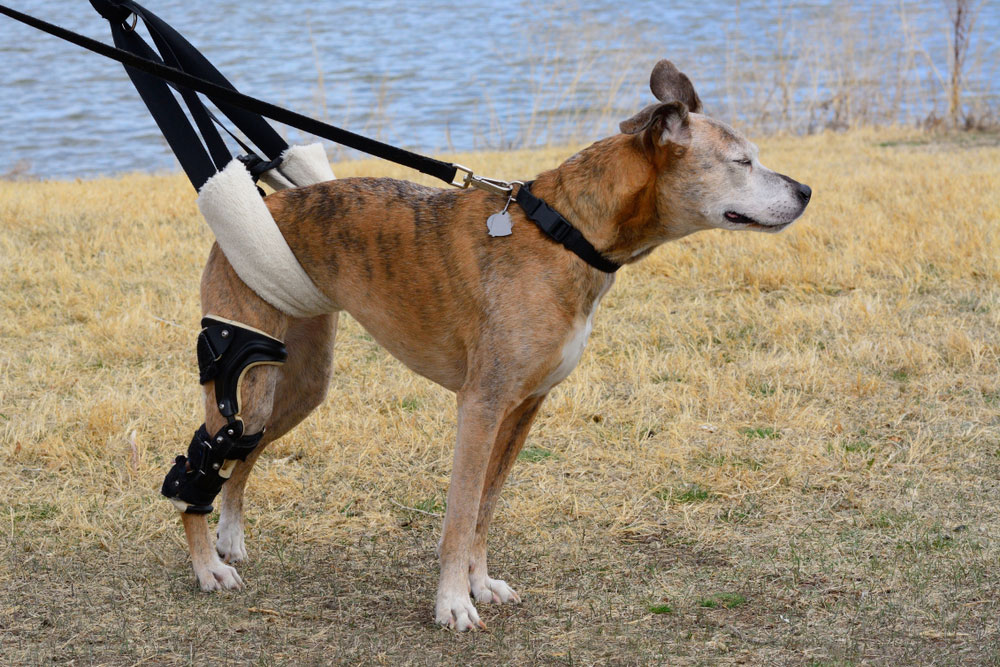
One minute your dog is racing across the backyard, the next they pull up short and refuse to put weight on a hind leg. That sudden limp or reluctance to jump can be scary, especially when your dog looks at you as if to ask for help. At Flora Family Vet in Kissimmee, we see this scenario often, and a common culprit is a torn ACL in dogs.
If you are worried, our AAHA-accredited team offers same-day urgent care to assess the injury, along with comprehensive diagnostic testing and laser therapy to reduce pain and inflammation.
Understanding Canine ACL Injuries: What Pet Parents Need to Know
Common Causes and Risk Factors
In dogs, the ACL is called the cranial cruciate ligament. It stabilizes the knee and prevents the shin bone from sliding forward. When this ligament tears, the knee becomes painful and unstable, which limits mobility and sets the stage for arthritis. A tear can happen acutely during a game of fetch or develop gradually from ligament degeneration.
Typical triggers include sudden pivoting or twisting motions, especially on slick surfaces or uneven terrain. Certain breeds carry higher risk, including Labrador Retrievers, Rottweilers, and other large or athletic breeds. Extra body weight strains the knee, so obesity is a major risk factor. If your pet has torn one ACL, they are very likely to tear the other within the next 6–12 months if you’re not extremely careful.
Keeping your dog at a healthy weight lowers the chance of ligament tears and speeds recovery if one occurs. If you need a tailored plan, our team can help through wellness and preventive care and nutrition counseling.
Symptoms of a Torn ACL in Dogs
How to Recognize the Signs
ACL tears range from partial to complete, and the symptoms can vary. The most common clues include:
- Limping or lameness in the hind leg, sometimes after exercise
- Difficulty rising, jumping into the car, or climbing stairs
- Sitting with the injured leg kicked out to the side
- Swelling around the knee and thigh muscle loss over time
- Pain when the knee is touched or extended
In some dogs, the limp may seem to improve with rest, only to return after activity. Over time, compensating for the sore leg can cause back, hip, or opposite-knee pain. These symptoms can also mimic broken bones, severe joint sprains, bone cancer, or hip dysplasia, so professional evaluation is essential.
How We Diagnose ACL Injuries
Imaging and In-Clinic Assessments
Confirming a cruciate tear starts with a hands-on exam to evaluate joint stability, followed by imaging to rule out fractures or other causes of pain. X-rays help us evaluate bone alignment and secondary changes like arthritis.
For complex cases, advanced imaging may be recommended. While many ACL tears can be diagnosed without it, an MRI can evaluate soft tissues in detail, helping pinpoint partial tears or additional ligament damage. When specialty imaging is needed, we coordinate every step so your pet stays comfortable.
If your dog is in pain today, our urgent care team can triage quickly, then plan the right orthopedic evaluation through our full suite of diagnostics.
Treatment Options for ACL Tears
Surgical Interventions That Restore Stability
Most medium and large dogs with cruciate tears benefit from surgery because it stabilizes the knee, reduces pain, and slows arthritis. The two most common procedures are:
- Tibial Plateau Leveling Osteotomy changes the geometry of the knee so it stays stable during movement. This advanced procedure allows most dogs to return to athletic activity with proper rehab.
- Lateral suture technique. A strong suture placed outside the joint mimics the ligament’s function. This option may be considered for smaller dogs or those with lower activity levels.
Our team will discuss the best fit for your dog’s size, activity level, and overall health. In some cases, surgery may be combined with regenerative options like platelet-rich plasma (PRP) or stem-cell therapy to promote healing and reduce inflammation.
Rehabilitation and Recovery
Rehabilitation is the bridge between surgery and a full return to play. It includes controlled exercises that rebuild strength, balance, and range of motion. Rehabilitation therapies like therapeutic exercises, massage, and hydrotherapy are critical for pets who have had an ACL injury.
At Flora Family Vet, we build individualized recovery plans, incorporate laser therapy to reduce inflammation and discomfort, and schedule progress checks to keep healing on track. Most dogs begin light activity within weeks, progressing to normal walks and play within a few months. If you have questions at any time during your pet’s recovery journey, we’re here for you.
At-Home Care and Preventative Measures
Maintaining Mobility and Preventing Future Injuries
Strong muscles protect vulnerable joints. After your veterinarian clears activity, a structured plan helps your dog regain strength safely.
- Start with gentle leash walks and add difficulty gradually.
- Use short, frequent sessions rather than one long workout.
- Warm up before activity and cool down afterward.
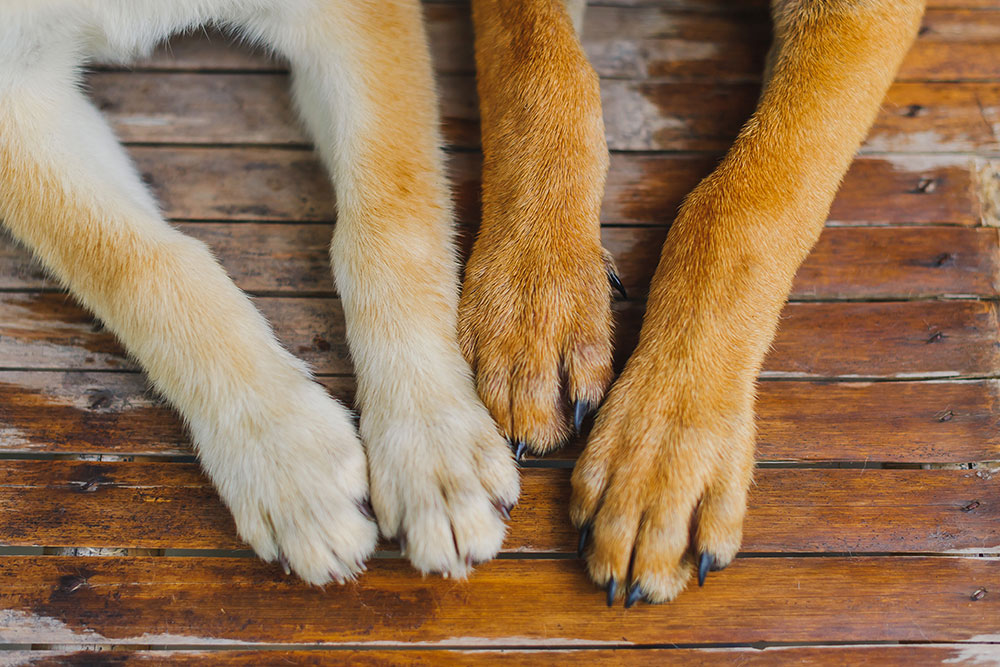
- Keep nails trimmed for better traction on floors and stairs.
Weight control is essential. Extra pounds magnify stress on the knees and increase the risk of injuring the opposite limb. If you would like a plan for nutrition and exercise, our doctors can help during a wellness and prevention visit.
The Role of Crate Rest in Recovery
Limiting movement after surgery or a severe sprain protects healing tissues and prevents setbacks. Crate rest can be challenging for energetic dogs, so set clear routines and enrichment:
- Choose a crate large enough for comfortable lying and turning.
- Offer safe chew items or food puzzles to reduce frustration.
- Use non-slip mats when you take your dog outside on leash.
- ALWAYS use a leash to keep your dog’s movements slow and controlled.
For high-energy dogs, we can recommend gentle calming aids or enrichment strategies that make rest less stressful. If you need behavioral advice, home-care coaching, or help choosing the right recovery tools, reach out for guidance.
Keeping Joints Healthy for Life
With timely diagnosis, appropriate treatment, and a thoughtful recovery plan, most dogs return to the hikes, beach walks, and backyard zoomies they love. Regular checkups help us monitor muscle strength, mobility, and weight so we can adjust the plan as your dog ages.
Our goal at Flora Family Vet is to create a new standard of care where pets are family and every visit supports a longer, happier life. We combine in-house lab work, ultrasound, digital X-ray, echocardiograms, and access to mobile 3D CT with gentle handling, laser therapy, dentistry, and personalized wellness to keep your pet moving comfortably.
If your dog is limping today or you want to talk about preventing knee injuries, we are here to help with same-day urgent care, or you can request an appointment for a comprehensive orthopedic evaluation.