

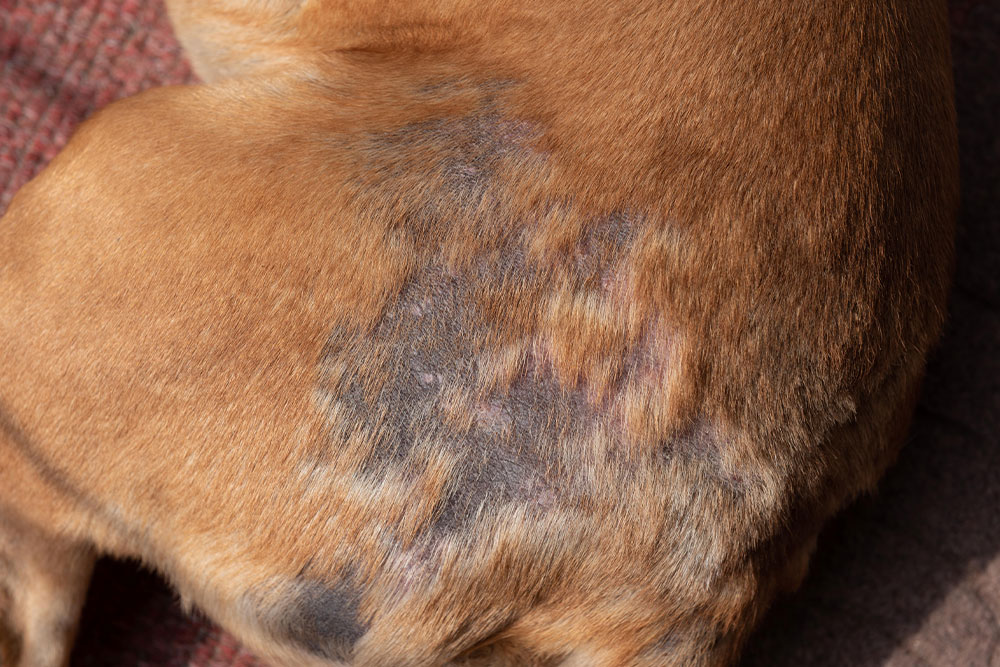
Have you noticed bare patches appearing on your dog’s elbows or a distinct line of missing hair down your cat’s belly? A little extra shedding is one thing, but bald spots, symmetric thinning, or constant scratching feel like a puzzle you can’t solve on your own. So what causes hair loss in pets, and how do you know whether it’s something simple or something that needs medical attention? The answer depends on the pattern, the location, and whether itching is involved. Allergies, parasites, skin infections, hormonal imbalances, stress, and nutritional gaps can all play a role, and most cases improve significantly once properly diagnosed and treated.
At Flora Family Vet in Kissimmee, our AAHA-accredited hospital uses in-house lab work, digital X-rays, and comprehensive dermatologic exams through our diagnostic services to uncover the precise cause. Whether your pet needs a simple treatment for a skin infection or a full workup for an endocrine condition, same-day and urgent care appointments are available. Request an appointment when you spot new bald spots or persistent itchiness.
Is My Pet’s Hair Loss Normal Shedding or Something More?
Alopecia is the medical term for partial or complete hair loss that goes beyond routine shedding. It’s not a disease itself but a symptom pointing to something affecting the skin, hair follicles, or internal systems.
| Normal Shedding | Concerning Hair Loss |
| Even thinning across the body | Bald patches or localized loss |
| Seasonal patterns | Occurs any time of year |
| No skin changes | Redness, scaling, or irritation |
| Hair regrows normally | Hair doesn’t regrow or grows abnormally |
| No excessive scratching | Often accompanied by itching or licking |
If you’re noticing symmetrical thinning on both sides of the body, bald spots paired with redness or scabs, or a coat that’s turned dull and brittle, it’s time for a professional evaluation. Routine visits through our wellness and preventive care help catch subtle changes early.
Can Allergies Cause Hair Loss in Pets?
Allergies are one of the most common causes of itch-related hair loss. When the immune system overreacts to environmental or food triggers, the resulting inflammation drives scratching, chewing, and overgrooming that strips hair from the skin. Dogs with allergies often rub and nibble at paws, armpits, and rumps, while cats may silently overgroom their bellies and back legs.
Common allergens include pollen, grass, mold, and dust mites (environmental), food proteins like chicken, beef, or dairy, and flea saliva. Even one bite can trigger flea allergies, causing intense tail-base and lower back hair loss.
Helpful strategies include medicated baths, nutrition trials to identify diet triggers, and targeted allergy medications for persistent cases. If itch or hair loss keeps returning, same-day access is available through urgent care.
What Parasites and Infections Cause Bald Patches?
External parasites cause hair loss by irritating the skin or damaging follicles directly. Even mostly indoor pets can be affected.
- Fleas: Hair loss on the lower back, tail base, and inner thighs with visible flea dirt and intense itching
- Demodex mites: Patchy loss on the face and paws with mild itching; puppies and immunocompromised pets are most susceptible
- Sarcoptes mites (scabies): Severe itching and crusting on ears, elbows, and abdomen; can spread to people
- Ringworm: Circular bald spots with scaly edges; this fungal infection can also spread to humans in the household
- Secondary skin infections: Scratching and chewing damages the skin barrier, allowing yeast and bacteria to multiply and cause even more itching and discomfort.
Diagnostics like skin scrapings, cytology, and fungal cultures help us identify the culprit quickly. Year-round parasite prevention is critical (especially important in Florida’s warm climate). For contagious concerns, schedule promptly through our urgent care so we can protect your pet and your family.
When Does Hormonal Imbalance Cause Hair Loss?
What Do Thyroid and Adrenal Problems Look Like?
Hormonal imbalances often cause gradual, symmetrical thinning with minimal scratching. These conditions develop quietly, so the changes can sneak up on you. Hallmark clues include shifts in energy, weight, skin thickness, and coat texture.
- Hypothyroidism in dogs: Weight gain, lethargy, cold intolerance, and symmetrical hair loss on the trunk and tail (sometimes called a “rat tail” appearance)
- Cushing’s disease in dogs: Pot-bellied shape, increased thirst and urination, fragile skin, and thinning hair along the sides
- Hyperthyroidism in cats: A patchy, unkempt coat alongside weight loss and increased appetite
Can Sex Hormones Cause Coat Changes?
Yes. Testicular tumors in intact male dogs can produce excess estrogen, leading to symmetrical hair loss on the flanks, chest, and genital area, sometimes with enlarged mammary tissue. Intact females may develop hair loss related to ovarian cysts or tumors. Spaying or neutering often resolves hormone-related alopecia in these cases.
Can Your Medications Affect Your Pet’s Coat?
This one surprises many pet owners. If you use topical hormone products like estrogen creams, testosterone gels, or other hormone replacement therapies, your pet can absorb these hormones through skin-to-skin contact or by licking the application site. The result can be hair loss and hormonal symptoms in your pet. Apply topical hormones to areas your pet can’t reach, wash your hands thoroughly, and cover application sites with clothing.
Why Does Routine Blood Work Matter?
Routine blood work can reveal hormone imbalances long before symptoms become obvious. We run many tests in-house for faster answers, so if you’re seeing symmetrical thinning or systemic changes, our diagnostic services can guide endocrine screenings and next steps.
Are Some Breeds More Prone to Hair Loss?
Some breeds inherit coat patterns or pigment-linked issues that predispose them to thinning. We carefully rule out parasites, allergies, and endocrine disease before considering a genetic diagnosis.
- Color dilution alopecia: Affects dogs with diluted coat colors (blue, fawn, silver), commonly Dobermans, Weimaraners, and Italian Greyhounds
- Flank alopecia: Seasonal or recurrent bald patches on the sides, common in Boxers, Bulldogs, and Airedales
- Pattern baldness: Gradual thinning in specific areas, seen in Dachshunds and Chihuahuas
- Sebaceous adenitis: Immune-mediated destruction of oil glands causing scaly skin and hair loss, more common in Poodles but possible in any breed
- Zinc-responsive dermatosis: Patches of crusty hair loss, usually symmetrical, seen in Arctic breeds and fast-growing large breed puppies
Genetic conditions can’t be cured, but supportive skin care, nutrition, and sometimes light therapy help manage them effectively. Our team can evaluate coat health and recommend a plan.
Can Stress Make Pets Lose Their Hair?
Absolutely, especially in cats. Psychogenic alopecia happens when stress drives repetitive grooming, leading to smooth bald patches on the belly, inner thighs, or front legs without obvious skin disease. Common feline life stressors include new pets or family members, moving, changes in routine, outdoor cats near windows, and boredom.
Supportive steps include building consistent routines with predictable feeding times, adding enrichment like vertical space, puzzle feeders, and interactive play, and using pheromone diffusers to create calm resting areas. Dogs can show similar patterns by licking or chewing one spot repetitively. If anxiety may be part of the picture, schedule through wellness and preventive care. Our Spanish-speaking staff is available to help every family feel supported.
Does Nutrition Affect Your Pet’s Coat?
Balanced nutrition keeps skin resilient and coats healthy. Diets lacking essential fatty acids or high-quality proteins lead to dull, brittle hair that breaks or falls out more easily. Key factors include omega-3 and omega-6 fatty acid balance, adequate protein intake, and zinc and biotin levels.
Overbathing or using harsh shampoos can also strip natural oils and make hair fragile. Grooming with gentle, pet-safe products and routine brushing improves circulation, removes debris, and supports a glossy coat. For dietary or grooming guidance, our wellness and preventive care team can personalize recommendations based on your pet’s age, breed, and lifestyle.
What Does the Diagnostic Process Look Like?
Answers start with a calm, careful exam and a conversation about what you’ve noticed. Then we choose targeted tests to confirm the cause, so treatment is focused and effective.
Common diagnostics we may use:
- Skin scrapings and hair plucks to look for mites
- Cytology to check for bacteria or yeast
- Fungal culture for ringworm (results may take 7 to 14 days)
- Blood work and urinalysis to screen endocrine health
- Allergy testing or elimination diets when appropriate
Flora Family Vet provides in-house lab testing, ultrasound, digital X-ray, and access to mobile 3D CT when deeper imaging is needed. Book now for a thorough skin evaluation.
How Is Hair Loss Treated?
Because hair loss stems from many different sources, treatment is highly individualized.
- Allergies: Antipruritic medications, medicated baths, diet trials, and environmental strategies
- Parasites: Prescription preventives and targeted treatments for fleas, mites, or lice
- Infections: Antimicrobial therapy with follow-up diagnostics
- Endocrine disease: Hormone-specific medications, monitoring, and surgical consultation when needed
- Behavioral overgrooming: Enrichment, routine-based care, pheromone therapy, and anxiety support
- Supportive care: Laser therapy for inflamed skin, omega supplementation, and coat-friendly nutrition
For structural issues like mass removal or testicular concerns, our soft tissue surgery services in Kissimmee, St. Cloud, and Lake Nona provide precise, compassionate care.
Frequently Asked Questions
How quickly will my pet’s hair grow back?
It depends on the cause. Parasite-related hair loss often improves within four to six weeks. Hormonal conditions may take three to six months once medication is stabilized. Some genetic conditions won’t regrow completely, but supportive care improves coat quality.
Is hair loss contagious to humans?
Most causes are not, but ringworm and sarcoptic mange can spread to people. If you notice circular bald patches with scaly edges, seek prompt care and wash your hands after handling your pet.
Can food allergies cause hair loss?
Yes, typically affecting the face, ears, paws, and rear end. Diagnosing food allergies requires a strict elimination diet trial lasting 8 to 12 weeks.
Is seasonal hair loss normal?
Some shedding increases during spring and fall coat transitions, but bald patches, excessive thinning, or hair that doesn’t regrow is not normal and should be evaluated.
When should I be concerned about hair loss?
Seek evaluation for bald patches (not just thinning), excessive scratching or licking, red or scaly skin, spreading or worsening loss, or accompanying symptoms like lethargy, weight changes, or increased thirst.
We’re Here to Help You Solve the Hair Loss Puzzle
Most pets improve once the cause is identified and treated, and that relief often starts with a single, thoughtful visit. If you notice new bald spots, persistent itch, or symmetrical thinning, timely care can prevent complications and help hair grow back well.
Reach out to us for a skin and coat evaluation. Flora Family Vet is an AAHA-accredited small animal general practice and urgent care clinic in Kissimmee, creating a serene environment where pets are family and care is personal. We’re honored to be your partner in bringing your pet’s coat back to its healthy shine.




Leave A Comment