

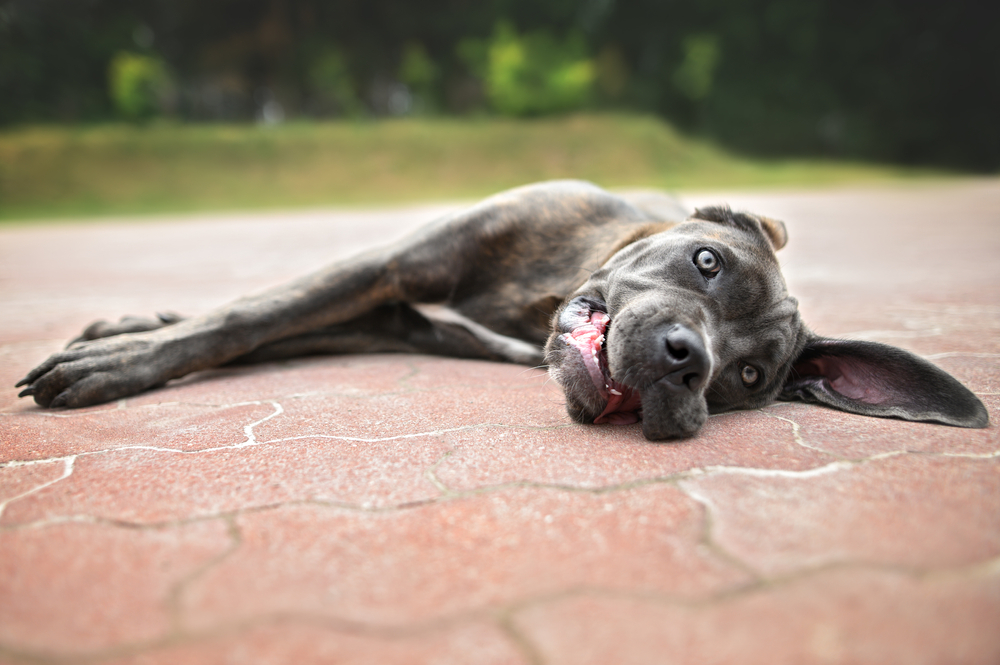
Whether your overheated pet needs to be seen today comes down to how far the heat has gone: a dog who pants hard but settles quickly with shade, rest, and water may be fine at home, while one who stays distressed, vomits, wobbles, or collapses needs a veterinarian right away. The tricky part is the middle ground, and the safest rule is that any pet who was genuinely overheated, even one who seems to recover, should be checked, because the most serious damage happens inside and is invisible from the outside.
Flora Family Vet in Kissimmee sees heat cases across that whole range, from a quick reassurance call to a true emergency. Our urgent care is set up to triage and treat fast when the Florida heat catches up with a pet. If you are weighing whether your dog or cat needs to come in, contact us and we will help you make the call.
When Heat Becomes an Emergency: The Essentials
- Mild heat stress that eases quickly with rest and water can often be managed at home, but anything more needs a call.
- Collapse, vomiting, confusion, or pale or purple gums is a true emergency, so cool and come in at once.
- A pet who was very hot but seems recovered should still be checked, because organ damage can surface a day or two later.
- When you are unsure which category you are in, a quick phone call settles it faster than waiting.
When Does an Overheated Pet Need to Be Seen?
The honest answer turns on how the pet responds once you get them cool. A dog who bounces back within minutes of shade, water, and rest, and acts completely normal afterward, may be in the clear. A dog who stays uncomfortable, or who was severely overheated before you intervened, is a different story. The table below sorts what you are seeing into a plan.
| What you are seeing | Where it falls | What to do |
| Panting that settles with shade, rest, and water | Often manageable at home | Cool down, rest, and keep a close eye out |
| Panting that will not slow, bright red gums, heavy drool | Call us now | Start cooling and phone ahead |
| Collapse, vomiting, confusion, pale or purple gums | Emergency | Cool and come in immediately |
| Recovered, but was very hot or down for a while | Be seen today | Bloodwork to check the organs |
When in doubt, treat it as the more serious category. It is far better to hear that your pet is fine after a quick check than to miss the internal damage that a recovered-looking pet can be hiding. A quick phone call often sorts which row you are in faster than searching symptoms online, and it lets us tell you whether to keep monitoring at home or head in right now.
What Are the Warning Signs at Each Level?
Reading the level of distress tells you which row of that table you are in. Heat stroke in pets tends to escalate in a recognizable order.
At the manageable end, you might see hard panting that eases with rest, a dog hunting for cool tile, and a little extra thirst. These are signals to stop and cool, not necessarily to rush in, though they are worth watching.
In the middle, the warning signs sharpen: drool turns thick and ropy, the gums go bright or dark red, and the dog grows restless, weak, or unsteady, sometimes with vomiting. This is the call-us-now zone.
At the severe end, you may see gums turning pale, purple, or gray, collapse, disorientation, seizures, or blood in vomit or stool. That is an emergency, full stop. In cats, watch for a flattened posture and open-mouth breathing, which is never normal and always urgent.
What Should You Do Before You Come In?
Once you have decided to come in, a little safe cooling on the way helps, as long as you do it right. These emergency steps for cooling are the short version:
- Get to shade or AC and out of the heat first.
- Wet the thin-skinned spots, the neck, belly, groin, and paws, with cool tap water, not ice.
- Add a breeze from a fan or open window to help the water evaporate.
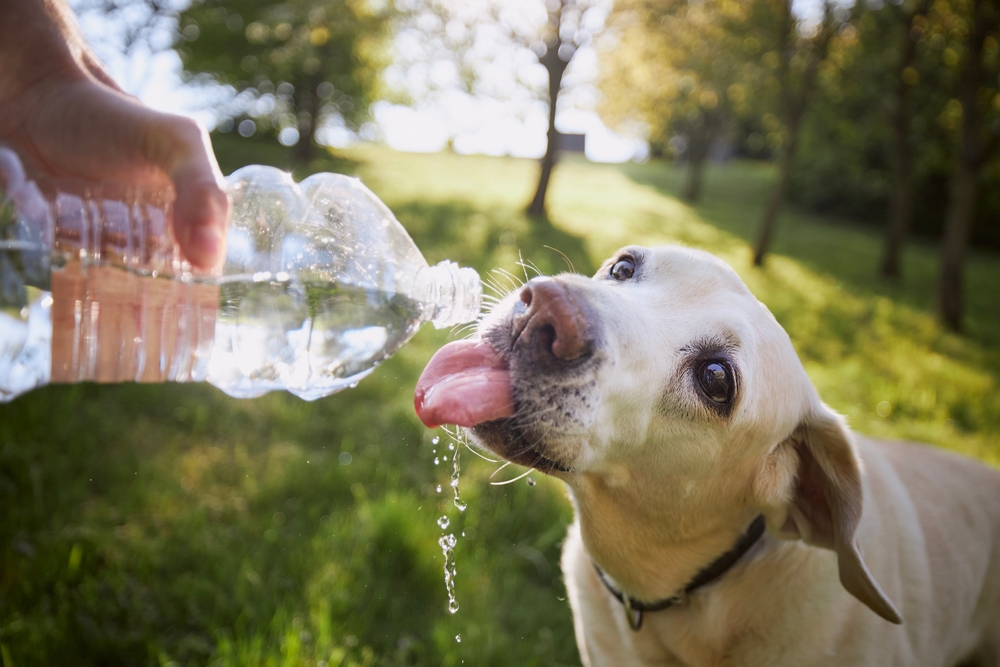
- Let an alert pet sip cool water, but never pour it into a dazed one.
- Leave the ice in the freezer, since ice and ice baths trap heat in the core.
- No wet towels draped on your pet; these can trap heat.
- Phone ahead and drive in, easing off the cooling near 103 degrees.
That is enough to start things moving in the right direction; the rest happens with us.
Why Can’t You Just Wait and See at Home?
The dangerous part of heat stroke is internal and slow to show. Heat stroke treatment layers controlled cooling, IV fluids to protect circulation and the organs, and watchful management of what can follow, and the highest-risk stretch is the first 24 hours. A pet sent straight home can look fine while real trouble brews.
The delayed heat stroke complications are the reason we would rather check:
- The kidneys can falter over the two or three days after, even when they seemed fine at first.
- The liver often shows its strain on bloodwork a few days later.
- The gut lining can break down, bringing bloody vomiting or diarrhea.
- Clotting can go haywire, with DIC causing bleeding and clotting at the same time.
- The brain can swell, with neurologic signs appearing after an apparent recovery.
Our in-house diagnostics let us check kidney values, liver values, and clotting the same day, which is exactly how these problems get caught while they are still easy to treat.
Why Do Florida Pets Overheat So Fast?
Florida stacks heat and humidity, and humidity is the quiet problem, because a pet cools by panting and panting works by evaporation, which slows when the air is already damp. A humid Kissimmee afternoon can overwhelm a dog that would be fine in drier heat. Some pets start with even less margin: flat-faced breeds whose thermoregulation is limited by their airways and worsened by extra weight, heavy-coated dogs, puppies and seniors, and any pet with heart, airway, or endocrine disease. A wellness and prevention visit is a good time to figure out where your pet falls and what activity is safe. Our team will go over your pet’s risk factors and help you determine how sensitive your pet may be to the heat and humidity.
How Do You Keep a Pet From Overheating in Florida?
The best emergency is the one that never happens, and a handful of heat safety habits prevent most heat events: water in several spots refilled often, cool tile or a mat to rest on, and shade you actually check as the sun moves. Outdoors, preventing heat stroke means walking early or after sunset, testing the pavement with the back of your hand, and turning back the moment your dog lags or pants hard. Never leave a pet in a parked car, because the interior turns deadly within minutes, and hot vehicles take pets’ lives every summer even with the windows cracked.
Cats and indoor pets need a plan too. For outdoor cat safety, keep shaded water refreshed twice daily and offer cool retreats, and treat open-mouth breathing in a cat as an emergency. Indoors, keep air moving and head off the summer heat cabin fever with boredom busters and DIY enrichment toys that keep a pet busy without heating them up.
Frequently Asked Questions About Heat Stroke
My Pet Was Hot but Seems Fine Now. Do I Still Need to Come In?
If they were genuinely overheated, please come in even though they seem fine. The organ and clotting damage that makes heat stroke dangerous can take a day or two to show, and a recovered-looking pet can still be carrying it. A same-day exam and bloodwork settle the question and catch any trouble while it is easy to treat.
What Humidity Level Is Dangerous for Dogs in Florida?
There is no single cutoff, but once humidity is high, even a moderate temperature in the low to mid 80s can be risky, because the muggy air blunts a dog’s ability to cool itself. On high-humidity days, treat the heat as more dangerous than the thermometer suggests and keep activity short and early.
Are Some Breeds Always at Higher Heat Risk?
Some breeds do, and in Florida that matters year-round. Flat-faced breeds, heavy-coated dogs, seniors, overweight pets, and those with heart or airway disease run a higher baseline risk every warm day. If your pet is in one of those groups, build extra caution into the daily routine rather than saving it for the hottest afternoons.
Should I Cool My Dog All the Way Down Before Leaving for the Vet?
There is no need to, and trying can cost valuable time. The goal of home cooling is to stop the temperature from climbing and start bringing it down, not to fully normalize it, which is our job once you arrive. Cool steadily with cool water and airflow, ease off around 103 degrees so you do not overshoot into hypothermia, and put the rest of your energy into getting to us. Cooling on the drive in is genuinely helpful, and if someone can call us while you travel, the team will be ready the moment you pull in.
A Florida-Smart Summer for Your Pet
Knowing when to act is half the battle with heat, and the best outcomes come from families who recognize the warning signs early and do not gamble on wait-and-see. Cool the right way, use the triage levels to guide you, and lean on a quick call whenever you are unsure.
If your pet has overheated, or you want help judging whether to come in, reach out to us and our team can talk through whether urgent care is the right call. We’re available for same-day urgent pet care in Kissimmee, Monday-Saturday from 8am-6pm.



Leave A Comment